
5 Common Mistakes to Avoid When Writing Memoir Books

Writing a memoir is a deeply personal and rewarding experience. It allows you to share your story, offer insight into your experiences, and connect with others on a profound level. However, memoir writing can be challenging, and many writers fall into common pitfalls that can undermine the impact of their story. If you’re considering writing a memoir, here are five common mistakes to avoid in order to create a compelling and authentic narrative.
1. Lacking Focus or a Clear Theme
One of the most common mistakes memoir writers make is failing to establish a clear focus or theme. A memoir is not an autobiography, so it doesn’t need to cover your entire life. Instead, it should focus on a specific period, event, or theme that offers insight into who you are and what you’ve learned.
Without a clear theme, your memoir can become a jumble of disconnected anecdotes and events, making it difficult for readers to follow or gain meaning from the story. To avoid this, identify a central theme that will guide your narrative, whether it’s overcoming adversity, personal transformation, or a specific relationship. Stay focused on this theme throughout the book to create a cohesive and engaging story.
2. Being Too Vague or General
Another mistake is being too vague or general when recounting your experiences. While it’s tempting to generalize in order to make your story relatable, memoir writing requires specific details that bring your story to life. Readers want to feel as though they are experiencing your memories firsthand, and that’s achieved by being vivid and specific in your descriptions.
Instead of saying, “I was sad,” describe the physical sensations, the thoughts you had, or the environment that contributed to your emotional state. Show, don’t just tell. For example, instead of saying, “I was scared when I went to the hospital,” describe the fear you felt in the pit of your stomach, the sterile smell of the hospital, and the sounds of machines beeping around you. These specific details will help readers connect with your emotions and draw them into your narrative.
3. Ignoring the Importance of Structure
Many memoir writers think that they can simply start at the beginning of their story and write straight through to the end. However, memoirs often benefit from a well-thought-out structure that helps guide the reader through your narrative. A compelling memoir doesn’t just move chronologically; it might use flashbacks, alternating timelines, or thematic sections to explore your experiences in depth.
By ignoring structure, you risk overwhelming your readers with a disjointed narrative. Instead, plan your memoir in advance and decide how you want to present your story. Will you start with a key moment and work backward? Will you focus on specific themes and weave in different experiences? Consider how best to organize your material to create a seamless, engaging flow.
4. Not Being Honest or Authentic
One of the biggest mistakes you can make when writing a memoir is to avoid being honest. A memoir is a personal reflection of your life, and readers expect raw, unfiltered emotions and experiences. You may be tempted to sugarcoat parts of your story or leave out uncomfortable truths, but this will only undermine the authenticity of your narrative.
Remember, memoirs are not about presenting a perfect life; they are about sharing your struggles, triumphs, and everything in between. It’s your truth that will resonate with readers and make your story meaningful. While it can be challenging to revisit painful or difficult moments, it’s often these moments that offer the most powerful insights and connections with your audience. Be brave and honest in your storytelling, and the authenticity will shine through.
5. Neglecting the Importance of Editing
Finally, many memoir writers make the mistake of thinking that once they’ve written their first draft, they’re done. In reality, the editing process is just as important as the writing itself. A raw memoir draft can be a great starting point, but it often needs refinement to ensure that it reads well, flows smoothly, and keeps the reader engaged.
Take the time to revise your work, focusing on clarity, pacing, and structure. Consider working with an editor or seeking feedback from trusted readers who can provide objective insights. Don’t be afraid to cut unnecessary parts or rework sections that don’t serve your theme. Memoir writing is an iterative process, and with each round of edits, you’ll get closer to a polished and impactful final product.
Conclusion
Writing a memoir is a powerful way to share your story and connect with others, but it’s easy to make mistakes along the way. By avoiding these common pitfalls, such as lacking focus, being too vague, ignoring structure, neglecting honesty, and skipping the editing process, you can create a memoir that resonates with readers and authentically reflects your journey. With careful planning, attention to detail, and a willingness to be vulnerable, your memoir can become a meaningful piece of writing that leaves a lasting impact.
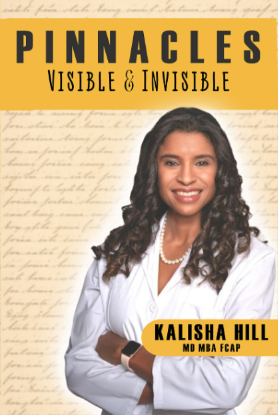
If you’re inspired to share your personal journey and overcome these common challenges, PINNACLES: Visible and Invisible by Dr. Kalisha Hill offers invaluable insights into navigating the art of memoir writing. Dr. Hill’s own story of resilience and growth provides a powerful example of how to craft a compelling, authentic narrative. Ready to share your story with the world? Get your copy today!