
Memoir vs Novel: Key Differences Every Writer Should Understand

Writing is an art form that allows individuals to express their unique experiences and stories. However, when it comes to crafting a narrative, one of the most significant choices a writer must make is whether to write a memoir or a novel. Both genres share similarities in their storytelling approach, yet they have distinct differences that every writer should understand before embarking on their writing journey. Understanding these key differences will help you choose the right path for your story, ensuring that your voice is communicated clearly and authentically.
1. Fiction vs. Non-Fiction
The most fundamental difference between a memoir and a novel is the basis of the story. A memoir is a non-fiction genre that tells a true story from the author’s life. It focuses on personal experiences, memories, and reflections, offering an intimate and real-life account of the author’s journey. Memoirs may cover a specific period, event, or theme in the author’s life, such as overcoming hardship, relationships, or a transformative personal experience.
In contrast, a novel is a work of fiction. It tells a made-up story, often featuring invented characters, settings, and plots. Novels give the writer the freedom to create fictional worlds and stories, exploring scenarios that may never have happened in reality. While novels can be inspired by real events or real-life experiences, they are ultimately works of imagination and creativity.
2. Structure and Scope
Memoirs typically have a focused structure, usually centering on a specific period of time, a particular event, or a key aspect of the author’s life. This tight focus allows memoirists to dig deep into their own personal experiences and share them with clarity. For example, a memoir might explore the author’s childhood, a life-changing journey, or their path to recovery from addiction. The scope of a memoir is often narrower compared to a novel, concentrating on the emotional and thematic aspects of the writer’s personal journey.
Novels, on the other hand, have much more flexible structures. They often span longer time periods and can feature a wide array of plotlines and characters. Novels are more expansive, and the narrative can take unexpected twists and turns as the story develops. A novel can follow multiple characters, diverse settings, and explore a variety of themes and conflicts. While the author of a memoir may reflect deeply on specific moments of their life, a novelist has the freedom to create entire worlds and intricate plots without the constraints of real-life events.
3. Point of View
In memoirs, the point of view is almost always first-person because the writer is sharing their personal experiences. The author’s voice is central, and the memoir is written from the perspective of “I” or “me.” This first-person point of view creates an intimate connection between the writer and the reader, inviting the reader into the author’s personal reflections, thoughts, and feelings.
In novels, the point of view can vary significantly. While many novels are written in the first person, novels often make use of third-person point of view, where the narrator is outside of the story. This allows the writer to explore multiple characters’ perspectives and provide insight into different experiences. Novels may also use a combination of first-person and third-person perspectives, depending on the narrative style and structure the writer chooses.
4. Creative Freedom vs. Truth-Telling
Memoirists are bound by the truth, or at least by their version of it. Memoirs rely on personal recollections, and while there is some room for artistic expression, the stories told must reflect real events, people, and emotions. However, even within the constraints of truth, memoir writers can shape their narrative, focusing on the aspects of their story that are most meaningful or transformative. Still, readers expect honesty and authenticity from memoirists, and the personal nature of the work means the writer must be willing to expose vulnerabilities and emotions.
Novels, however, offer a much greater degree of creative freedom. Writers can invent characters, design entire worlds, and craft complex plots without the need for adherence to truth. Fiction writers can bend the rules of reality, create fantastical elements, and invent entirely new realities. In a novel, the writer is free to explore hypothetical situations and examine “what if” scenarios, allowing for far more flexibility in terms of storytelling.
5. Emotional Impact and Universality
Memoirs often carry a sense of emotional intimacy because they are rooted in real experiences. Readers can relate to the author’s struggles, triumphs, and emotions, and this connection is often what makes a memoir powerful. Memoirs help readers connect with the shared human experience, whether the author is recounting a personal loss, overcoming adversity, or discovering a deep truth. The vulnerability in a memoir can create an emotional bond between the writer and reader, offering catharsis and reflection.
While novels can also have a profound emotional impact, they often rely on fictional events and characters to generate emotions. Readers can become emotionally invested in the lives of fictional characters, but the emotional journey is shaped by the narrative choices made by the writer. Novels can allow for more complex and diverse emotional exploration, often involving multiple characters and subplots that create a broader emotional landscape.
Conclusion
Understanding the key differences between memoirs and novels is crucial for any writer looking to tell their story. A memoir is an authentic, real-life account that focuses on personal experiences, emotions, and reflections, while a novel allows for greater creative freedom, exploring fictional characters, plots, and settings. Both genres have their own unique qualities, and choosing the right one depends on the story you want to tell and the experience you wish to offer your readers.
Interested in Sharing Your Own Story?
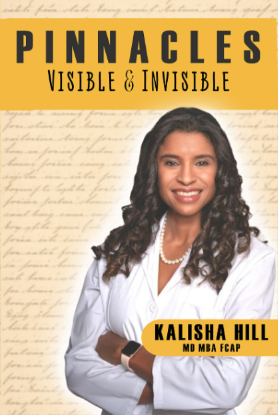
If you’re ready to dive into the world of memoir writing, PINNACLES: Visible and Invisible by Dr. Kalisha Hill is an inspiring example of how to craft a compelling personal narrative. Dr. Hill’s story of resilience, transformation, and self-discovery offers valuable insights for anyone looking to write their own memoir. Begin your journey today and find the courage to share your truth with the world. Buy your copy today!